






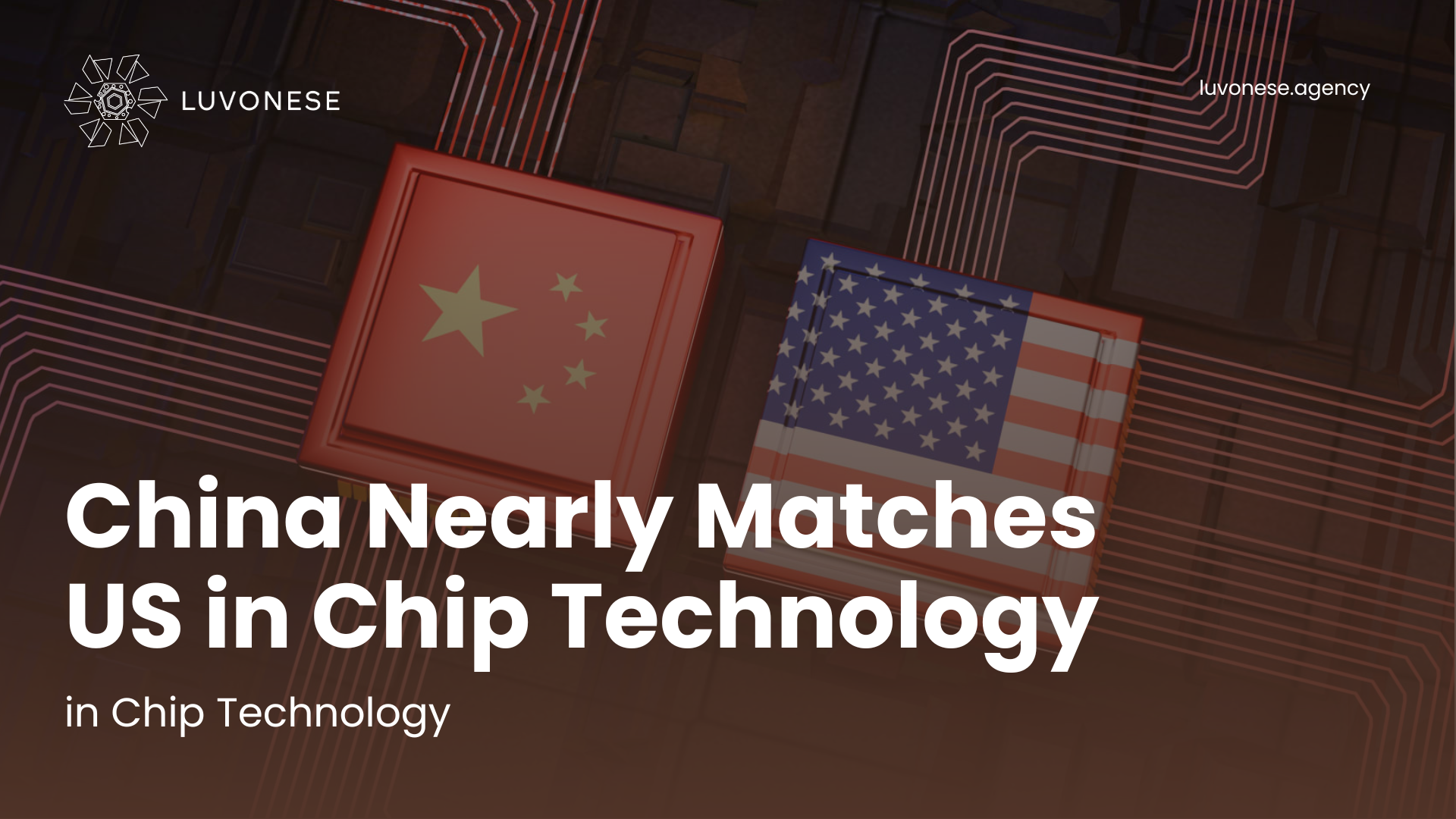
The semiconductor industry has become the main arena for global tech dominance. For years, American-made chips were considered far superior to China’s. But according to Nvidia CEO Jensen Huang, that gap is now almost gone.
Huang stated that China’s chips are only “nanoseconds” behind the US. This means the innovation and manufacturing capabilities of China are approaching levels once exclusive to Silicon Valley.
Let’s dive deeper: why the gap is shrinking, how it impacts AI competition, and what it means for the geopolitical future of technology.
Why Has China Caught Up So Quickly?
Over the past decade, the US has led in advanced chip research, especially in artificial intelligence (AI). But China’s aggressive strategy has changed the game:
- Massive R&D investment – The Chinese government poured billions into chip research.
- 9-9-6 work culture – Working 9am to 9pm, six days a week, accelerating development cycles.
- Flexible industrial ecosystem – Looser regulations allowed faster innovation and iteration.
- Focus on domestic demand – China’s vast AI market serves as a live testing ground for new technologies.
How Long Can the US Stay Ahead?
Analysts suggest the gap between the US and China is now razor-thin. The future depends on several factors:
- US export controls – Trade restrictions block China’s access to cutting-edge equipment.
- Production scale – China leads in volume, but the US still dominates in quality through firms like Nvidia and Taiwan’s TSMC.
- Geopolitics – This rivalry is about more than technology; it’s about global economic and political influence.
For Huang, healthy competition benefits both nations—driving economic growth, stability, and global balance.
The Psychological Impact of a “Nanosecond Gap”
For the US, realizing its top competitor is just a step behind sparks geopolitical anxiety:
- Economic pressure – Global markets may shift toward cheaper Chinese chips with comparable quality.
- Labor competition – China’s hard-driving culture contrasts with America’s growing work-from-home trend.
- Risk of monopoly – If one nation dominates, the world risks losing balanced innovation.
4 Key Strategies to Face the Chip Rivalry
1. Long-Term R&D Investment
The US and its allies must boost research funding, not just for hardware but also AI software infrastructure.
2. Strategic Tech Alliances
Building coalitions with Europe, Japan, and South Korea to avoid facing China alone.
3. Balanced Regulation
Overly strict bans slow innovation, but too much freedom risks weakening domestic industries.
4. Attracting Global Talent
Drawing international scientists with friendly visa policies to keep talent from migrating solely to Asia.