





The Dubai Airshow Tragedy
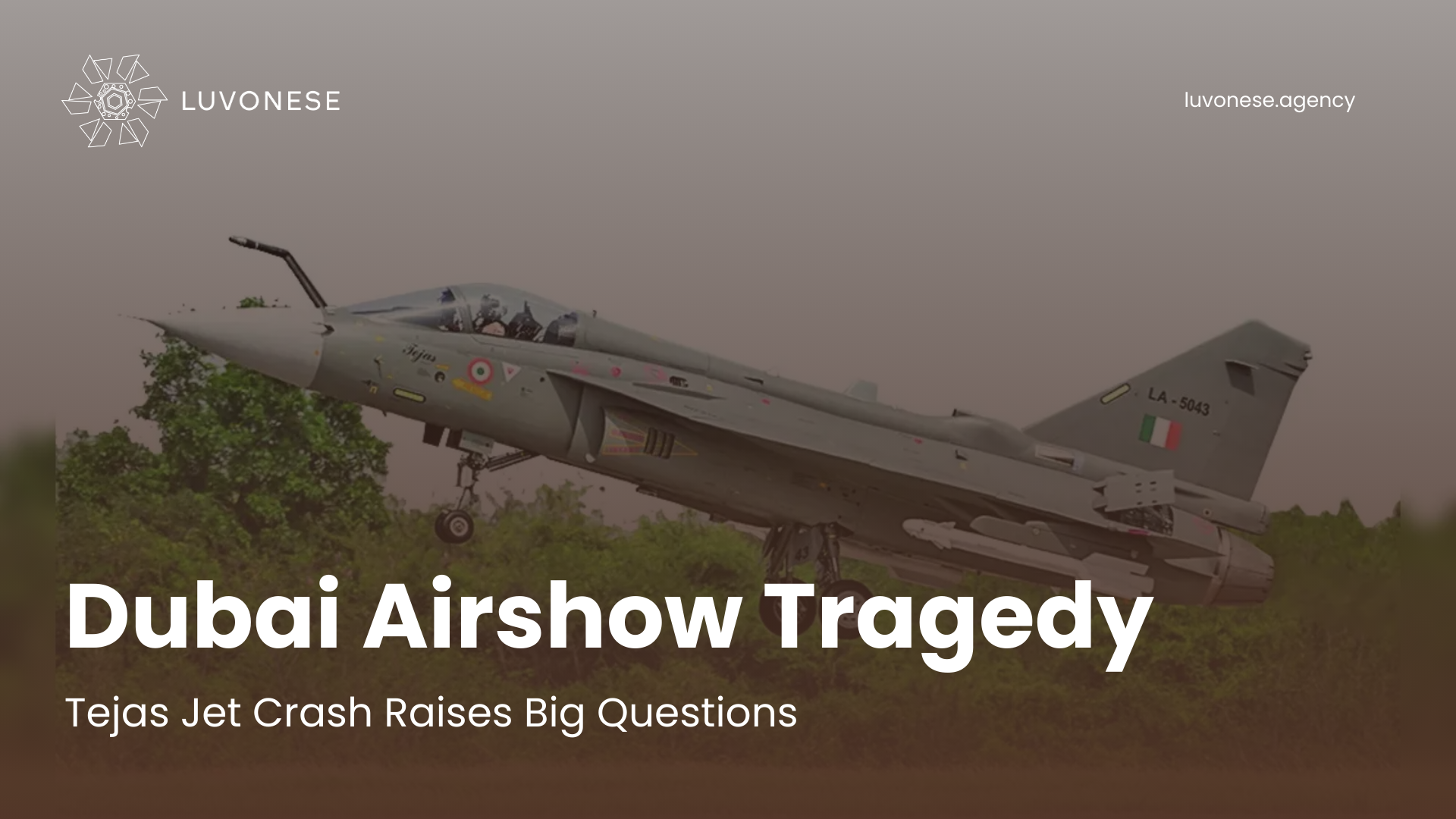
The Dubai Airshow, known for showcasing the latest innovations in global aviation, faced a heartbreaking moment this week. An Indian-made Tejas fighter jet crashed during a demonstration, killing the pilot and sending shockwaves across the aviation community.
Witnesses reported that the jet was performing a high-speed maneuver before it suddenly lost stability. Moments later, it burst into flames upon impact, ending what should have been a proud moment for India’s aerospace achievements.
This incident is not just a headline. It’s a reminder of how demanding, risky, and emotionally charged the world of aviation truly is.
What Happened During the Flight?
The Tejas jet was participating as part of India’s showcase at the Dubai Airshow. Early footage shows the aircraft climbing before entering a steep turn. Approximately seven seconds into the maneuver, the jet appeared to stall or experience a critical failure.
The pilot attempted recovery but had little time. Authorities confirmed that the pilot did not survive the crash.
The Indian Air Force (IAF) stated it will conduct a full investigation with the UAE authorities to determine the root cause.
Who Is the Tejas Fighter Jet?
Tejas is India’s indigenous lightweight fighter aircraft, developed by Hindustan Aeronautics Limited (HAL). It represents decades of effort to build a modern, competitive fighter jet entirely within India.
- Advanced avionics
- Strong maneuverability
- Lightweight composite body
- Versatile multirole combat capabilities
Despite the tragedy, the Tejas program remains a significant milestone in India’s defense development.
Why This Crash Matters Globally
The Dubai Airshow is one of the world’s most prestigious aviation events. A crash here creates global ripple effects that go beyond national boundaries.
- It may impact India’s defense export campaign.
- It raises concerns about airshow safety protocols.
- It affects public perception of modern fighter jets.
- It highlights the human risks behind military aviation innovation.
What We Know About the Pilot
The pilot was a highly trained, experienced member of the Indian Air Force. Pilots selected for international demonstrations typically have exceptional flight records and high safety ratings.
His passing represents a major loss for the aviation community.
Initial Reactions From India and the UAE
The Indian Air Force expressed deep grief and confirmed the temporary grounding of similar operations pending further technical checks.
Meanwhile, UAE authorities secured the crash site and initiated a joint investigation. HAL pledged full cooperation in uncovering the cause.
How the Aviation Community Responded
Experts worldwide emphasized that while the tragedy is devastating, such incidents have historically occurred across all major fighter jet programs, including F-16s and F-35s.
Key responses focus on:
- Improving airshow safety standards
- Enhancing pilot simulation training
- Strengthening pre-flight technical audits
Potential Impact on India’s Defense Exports
India has been promoting Tejas to nations such as Argentina, Egypt, and the Philippines. A high-profile crash may create hesitation, but long-term effects will depend on the investigation results.
Defense buyers typically analyze:
- The cause of the incident
- Corrective measures taken
- Historical safety performance
The Future of the Tejas Program
Despite the setback, the Tejas program will continue. The crash will likely prompt more rigorous testing, updated safety systems, and improved demonstration protocols.
The Human Side of Aviation Risks
Behind every aircraft is a human being risking their life. Airshows are thrilling but dangerous, and this tragedy reminds the world of the bravery embodied by pilots.
Final Thoughts
The Tejas fighter jet crash at the Dubai Airshow is more than a news story; it’s a moment of global reflection. Investigations will follow, improvements will be made, and the aviation world will learn from this loss.
Above all, we honor the pilot who lost his life pushing the boundaries of flight.