




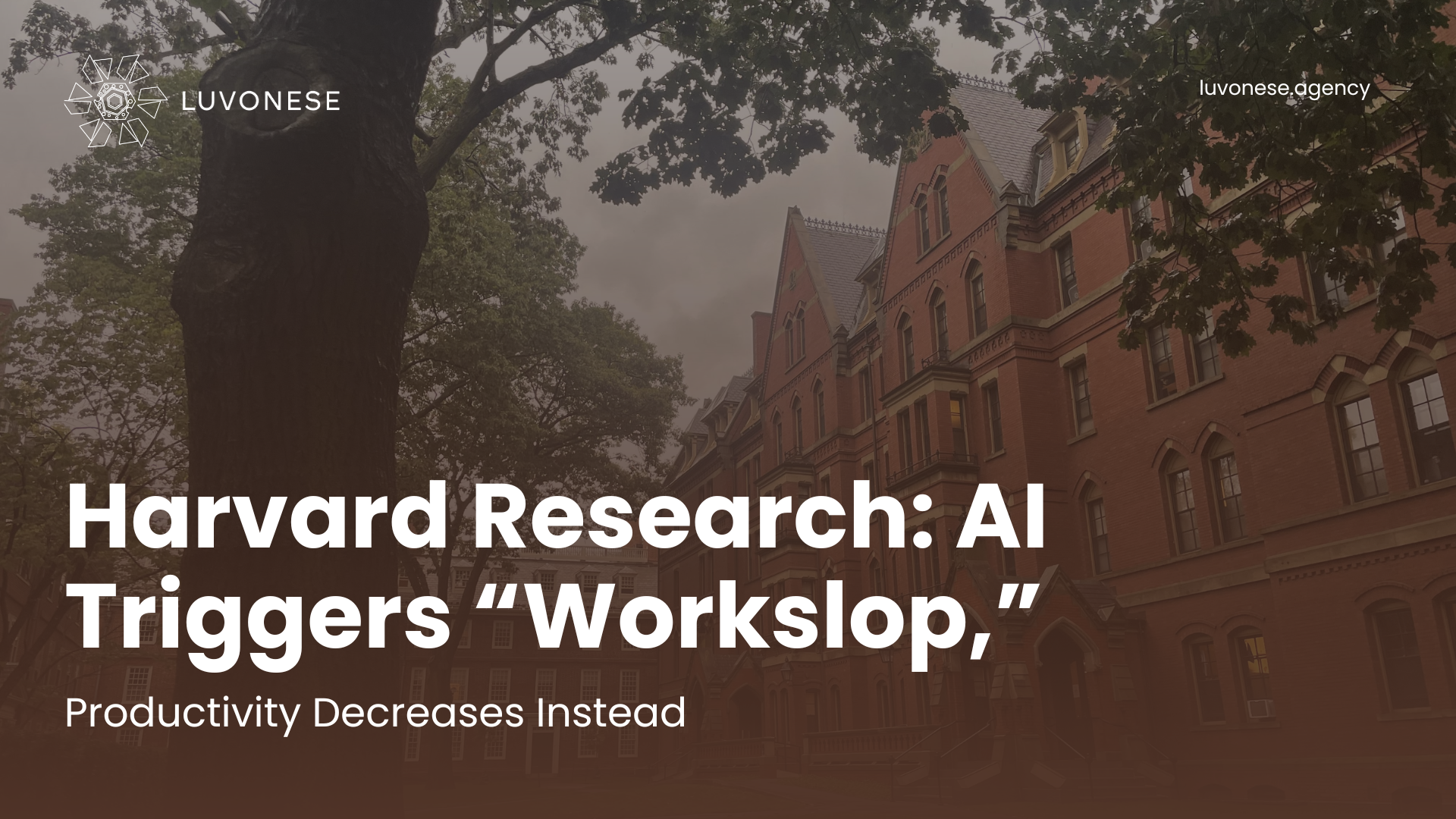
The presence of generative artificial intelligence (AI), such as ChatGPT or Gemini, is often seen as a solution to speed up work. Unfortunately, the latest research from Harvard Business Review (HBR) together with Stanford and BetterUp reveals a downside that harms productivity.
This phenomenon is called “workslop”, a combination of work and slop. The term is used to describe piles of shallow AI-generated content that may look neat on the surface but lack substance—ultimately creating more work.
AI as a Source of Digital Waste
If in the past workers struggled with a lack of information, today the challenge has flipped: an overload of information with little actual value.
- Four out of ten professionals in the United States reported receiving confusing AI-generated content in the past month.
- Documents, reports, or presentations produced by machines often look convincing at first glance, but once opened, the meaning is unclear.
- As a result, employees waste valuable time sorting, verifying, and rewriting materials.
According to the research, each case of workslop can consume 1–2 hours of work time. In large companies with thousands of employees, this translates into economic losses worth millions of dollars annually.
Impact on Productivity and Mental Health
The problem of workslop goes beyond efficiency, bringing two major consequences:
- Decline in Team Productivity
- Time is wasted verifying and fixing reports.
- Strategic decisions weaken because the material lacks quality.
- Increased Psychological Burden
- Employees feel pressured to respond quickly to endless streams of information.
- Frustration, mental fatigue, and loss of trust within teams occur.
The survey also found that one in three workers no longer wants to collaborate with colleagues who frequently send workslop. This damages collaboration and undermines workplace culture.
Two Types of AI Users in the Workplace
Researchers divide AI users into two categories:
- The “Passengers” → Those who use AI as a shortcut without considering quality. The output may look polished but is often shallow, leaving coworkers with more cleanup.
- The “Pilots” → Those who use AI strategically. They give clear prompts, review results, and select only what is relevant. AI is treated as a tool, not a replacement for critical thinking.
Strategies to Address “Workslop”
For AI to deliver real benefits, organizations need to take concrete steps:
- Improve digital literacy so employees understand AI’s limits.
- Set internal quality standards, ensuring all AI-generated documents are human-verified before being used for decision-making.
- Encourage collaboration, making AI an assistant in discussions and revisions, not the sole source of answers.
“Workslop is easy to create but costly to clean up. What looks like a shortcut can quickly turn into a dead end without proper control.”
Conclusion
Research from Harvard, Stanford, and BetterUp emphasizes that volume of content does not equal quality. Organizations that rush into AI adoption without a strategy risk drowning in meaningless information.
Instead of boosting competitiveness, companies may lose productivity, trust, and even their market edge. The real solution is not simply producing faster but filtering smarter.