



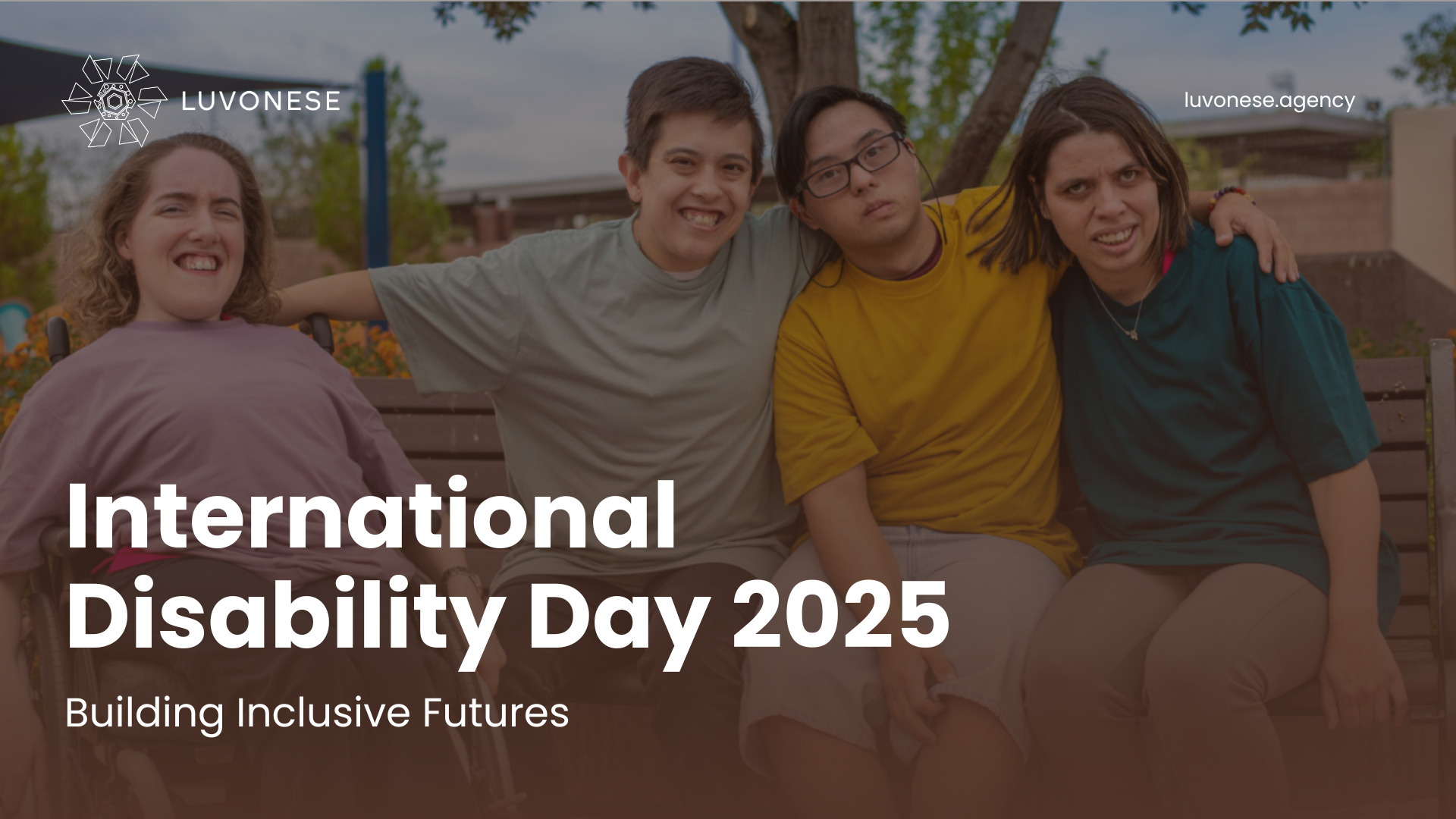
What the International Day of Persons with Disabilities Really Means
Every December 3, the world pauses to recognize the challenges and achievements of people with disabilities. The International Day of Persons with Disabilities (IDPD) is a reminder that inclusion must be real, not symbolic. Millions still face barriers in education, work, health, mobility, and digital access, and this day calls governments, communities, and individuals to create a future where accessibility is a standard, not an exception.
Celebrating Strength and Everyday Resilience
People with disabilities navigate systems that weren’t built for them, yet they continue to lead, innovate, and inspire. IDPD honors their resilience and reinforces that disability doesn’t limit potential — outdated systems do.
From Sympathy to Empowerment
The narrative around disability is shifting. Instead of pity or charity, IDPD encourages a human-rights approach that prioritizes agency, dignity, and equal opportunity. The goal isn’t to “help” — it’s to remove barriers that never should’ve existed.
Inclusive Education Matters
Education remains a major challenge. Many students still lack access to schools that meet their needs. International Disability Day 2025 highlights the importance of inclusive learning spaces where every student belongs and is supported through adaptive tools, training, and mindset.
Real Access to Employment
Despite strong skills and potential, many people with disabilities face discrimination and inaccessible workplaces. IDPD pushes companies to rethink hiring practices and create environments where talent can thrive without barriers.
Accessibility as a Foundation
Accessibility is more than ramps — it includes digital spaces, transport, healthcare, and communication. IDPD urges governments and institutions to make accessibility a universal standard so everyone can move, learn, and work freely.
Community Support Matters
Inclusion starts in everyday life. Communities shape how welcomed people with disabilities feel. Using respectful language, designing accessible events, and listening without stigma all help create a sense of belonging.
Technology as a Force for Inclusion
Tech, from AI tools to adaptive devices, is reshaping accessibility. For many, technology means independence. IDPD celebrates these innovations while calling for wider, more affordable access to assistive technologies.
Why IDPD Still Matters in 2025
Inequality persists. Many countries still lack strong laws, accessible healthcare, or inclusive public spaces. IDPD 2025 is a call to act, advocate, and build systems that respect the dignity of every person.
How You Can Support Inclusion
Small, everyday actions make a difference:
-
Use inclusive language
-
Support accessible businesses
-
Ensure your digital content is accessible
-
Promote inclusion at work and school
-
Amplify the voices of people with disabilities
Inclusion isn’t optional — it’s a shared responsibility.