






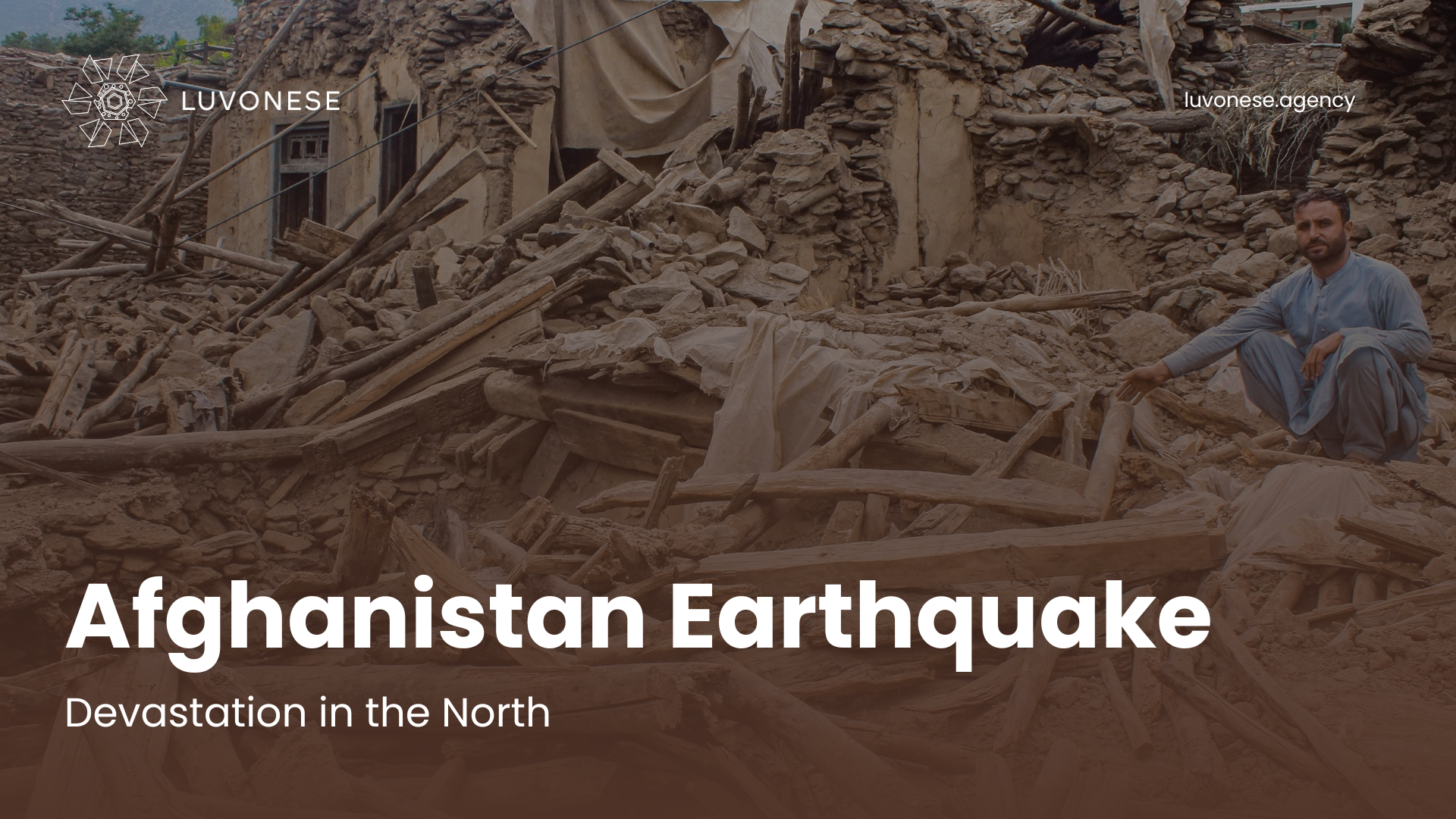
On 3 November 2025, a powerful magnitude 6.3 earthquake struck the northern regions of Balkh Province and Samangan Province in Afghanistan, leaving a trail of destruction, loss and an urgent humanitarian crisis. The disaster has brought into sharp focus the country’s vulnerability, the urgent need for relief, and the human stories behind the numbers. Wikipedia
The Earthquake & Immediate Impact
The earthquake occurred at a shallow depth of about 28 km near Khulm in Balkh Province, earning the classification of “very strong” shaking. Wikipedia Initial reports confirm at least 20 people killed and more than 500 injured, with many buildings collapsing or severely damaged. Reuters Historic landmarks, including parts of the 15th-century Blue Mosque in Mazar‑e Sharif, sustained damage—an ominous sign of wider structural loss. The Guardian
Why This Region Is So Vulnerable
Afghanistan lies within a complex tectonic zone where multiple plates interact, making it prone to earthquakes. Wikipedia Many homes in rural and mountainous areas are built with low-cost materials such as mud-brick and unreinforced concrete, which provide little resistance to seismic shocks. Rescue operations are slowed by rugged terrain and poorly accessible settlements.
Human Stories Behind the Headlines
In the district of Khulm, one survivor described: “When the ground shook for 15 seconds we rushed outside into dust and collapsed walls all around.” Reuters Families lost everything — loved ones, homes, the stability of everyday life. Local medical facilities were overwhelmed, and communities already dealing with decades-long hardship now face a new calamity.
Response & Relief Efforts
Rescue teams from the Afghan authorities, military units, and international aid groups are mobilising. However, they face severe logistic challenges: blocked roads, harsh terrain, and limited resources. The International Committee of the Red Cross warns that many villages remain unreachable and that winter conditions will make relief even harder. Front page – US Humanitarian agencies emphasise the need for shelter, medical care, clean water and psychosocial support as immediate priorities.
Broader Implications & Long-Term Challenges
Beyond immediate casualties, the quake creates long-term economic and social burdens: destroyed homes, dislocated families, interrupted schooling and food insecurity. The event adds strain to a country already navigating conflict, limited funding, and constrained infrastructure. Al Jazeera The risk of aftershocks, landslides and winter weather compounds the urgency of sustained aid.
How the International Community Can Help
Global partners can contribute through funding, technical expertise, and supplies. In past disasters, effective responses have included mobile clinics, temporary shelters, and reconstruction of schools and roads. Organisations like the IRC note that transparency, coordination and local engagement are key. Front page – US Donations, logistical support, and advocacy for sustained relief matter more than ever.
What This Means at a Human Level
For those on the ground, this earthquake isn’t just a news item—it is a rupture in daily life. The grief of loss, the fear of collapsing homes, the hardship of nights spent outdoors: these are the lived realities. Building resilience, supporting survivors, and learning better building practices will be crucial for Afghanistan’s future.
Final Thoughts
The 2025 Afghanistan earthquake in Balkh and Samangan is a stark reminder of nature’s force and the fragility of human settlement in vulnerable zones. Yet amid the rubble and loss, stories of survival and solidarity emerge. As the world watches and some respond, it’s vital we remember the faces behind the numbers, and the long road ahead for recovery.