



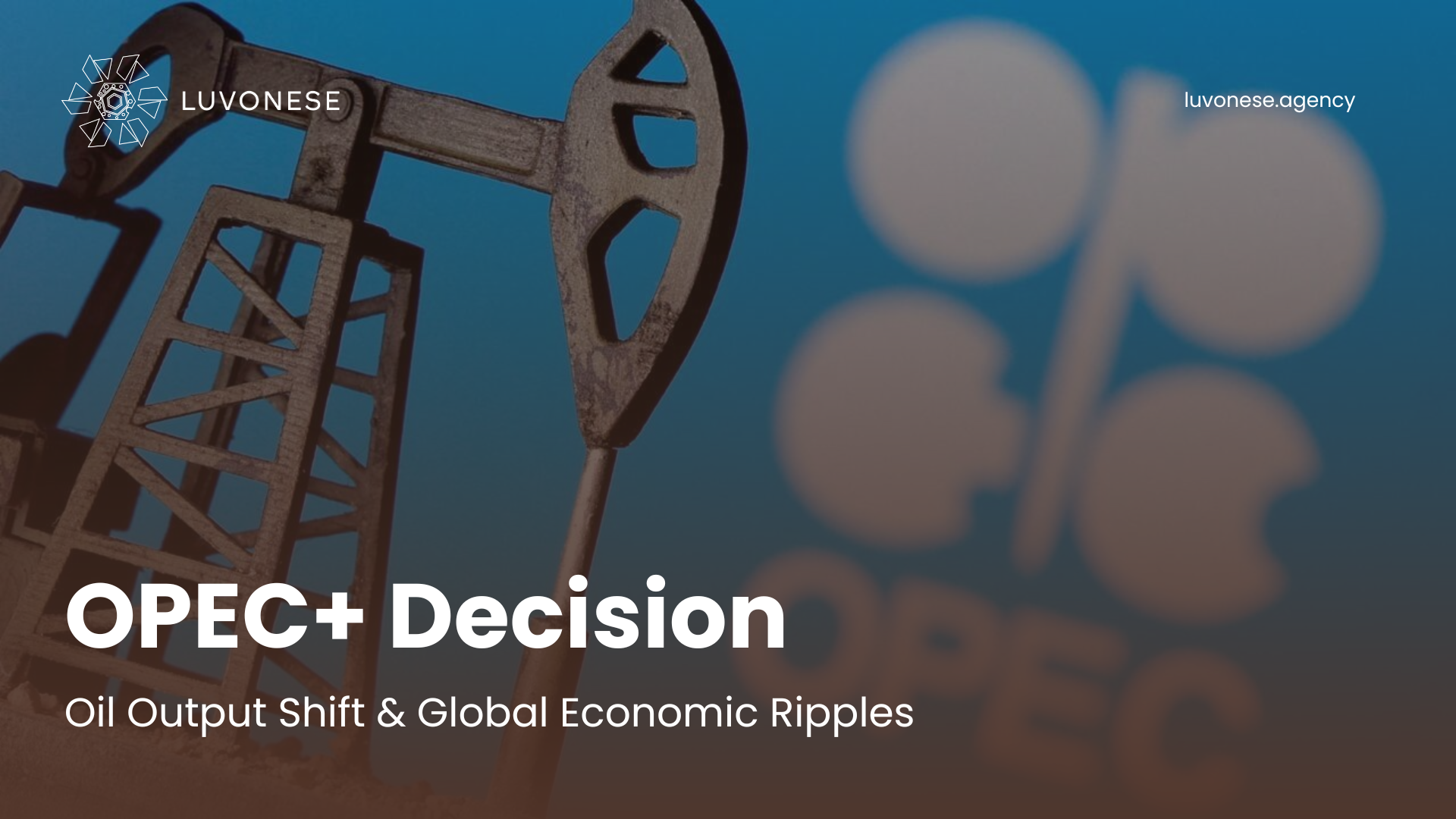
On 2 November 2025, OPEC+ delivered a two-part strategic move: a modest increase in oil output for December followed by a pause in further hikes during early 2026. This decision reveals more than just numbers—it underscores how energy policy now ties directly into the health of the global economy. opec.org
What the Decision Actually Was
OPEC+ agreed on a production boost of approximately 137,000 barrels per day for December 2025, and then declared a freeze on increases for January to March 2026. Reuters This ‘pause’ element indicates their caution in managing supply rather than simply flooding the market.
Why the Alliance Chose This Path
The decision is grounded in OPEC+’s view of a “steady global economic outlook and healthy market fundamentals”. opec.org However, behind the diplomacy lies concern: global oil demand growth is diverging across forecasts, and the risk of oversupply looms. The Economic Times
Oil Market Ripples & Price Signals
Markets reacted with subtle shifts: oil prices ticked up modestly as traders welcomed stability, yet the modest size of the increase raised eyebrows. Bloomberg OPEC+’s approach signals that they’re not chasing big price spikes—they’re managing risk.
Global Economic Implications
Because oil remains central to global trade and industrial activity, this decision matters for economies large and small. The alignment of supply strategy with economic growth means:
-
Energy-intensive industries gain clearer signals on price stability
-
Emerging markets must watch for effects on import bills
-
Oil-exporting countries must balance revenue needs with long-term market health
Risks & What to Watch
Even with careful planning, several risk factors linger:
-
If actual demand falls short of forecasts, the pause could lead to surplus and price weakness. The Economic Times
-
Geopolitical shocks, growth slowdowns in China/India, or supply disruptions could throw the balance off.
-
Oil-importing nations may feel cost pressure if supply remains tight while demand rises.
Long-Term Strategic Shift
This decision reflects a shift in OPEC+’s paradigm: from aggressive output hikes to disciplined supply management. Discovery Alert They appear to treat oil not just as a commodity—but as a strategic tool in balancing global economy, energy security and member revenues.
What It Means for You
Whether you’re a business leader, policymaker, or consumer: this matters. Stable oil supply and pricing can translate into less volatility in fuel costs, shipping, manufacturing and inflation. Stay aware of how these energy decisions ripple into everyday economics.
Final Thoughts
The OPEC+ decision is about more than barrels—it’s about shaping stability amid uncertainty. In a world awash with economic headwinds, the alliance is choosing caution. For the global economy, that’s a story worth watching.