





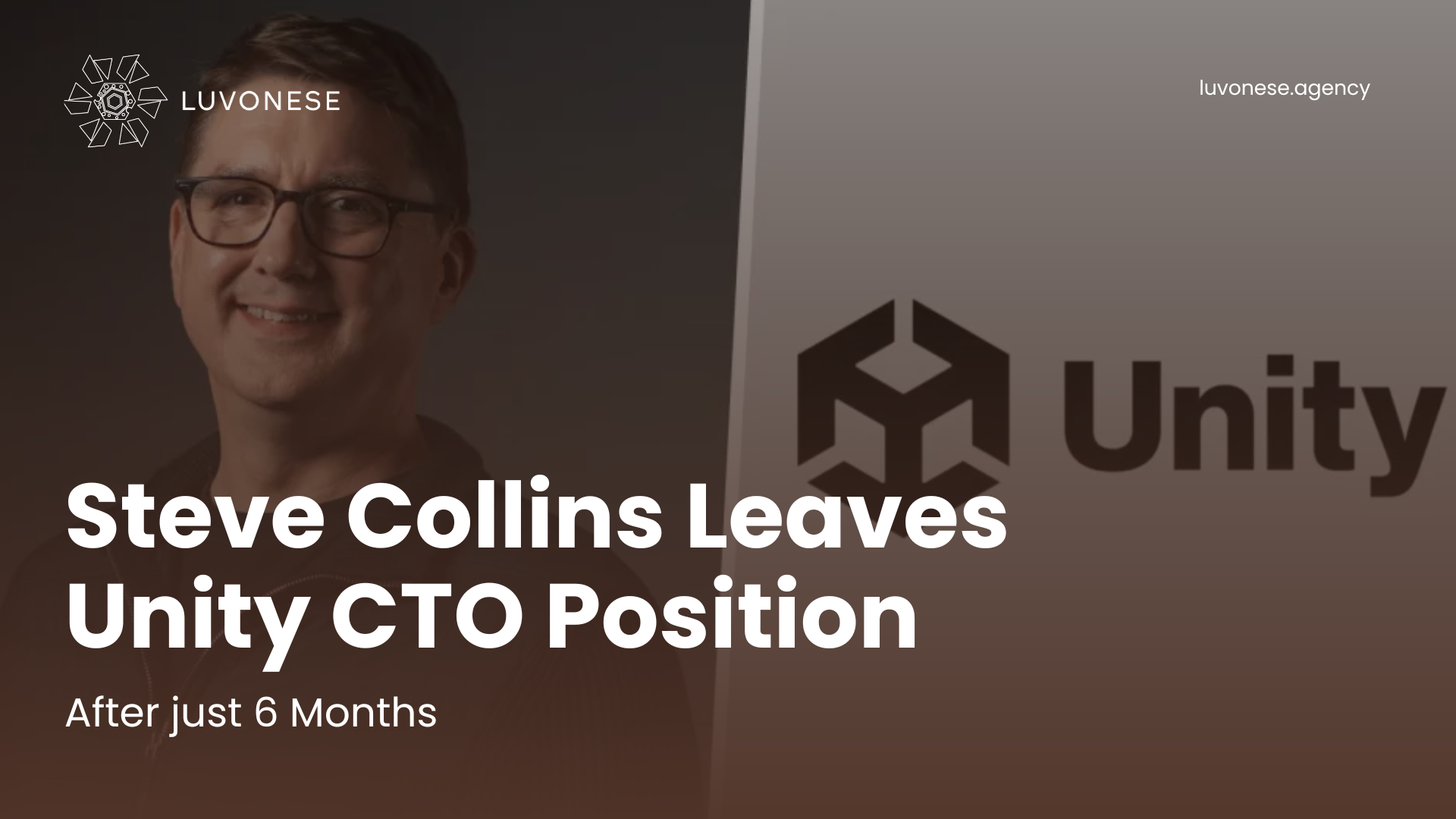
Steve Collins, a prominent figure in the game development industry, has resigned from his position as Chief Technology Officer (CTO) at Unity Technologies. The decision was announced after he had served for only six months, immediately drawing attention from many across the global tech industry. Who exactly is Steve Collins, why is his resignation so significant, and what might have happened behind the scenes?
Steve Collins’ Career and Reputation
Steve Collins is no ordinary figure. He is known as one of the co-founders of Havok, the company that created real-time physics systems which became the standard in many renowned games. Havok was later acquired by Intel, further strengthening Collins’ influence in the tech world. He also led the technology division at King, the studio behind the massive success of Candy Crush.
Over the years, Collins built a reputation as a visionary technologist capable of leading large teams and directing technical strategy at multinational companies. His arrival at Unity in October 2024 was seen as an important step in strengthening the company’s technological foundation after a difficult period.
His Role at Unity and the High Expectations
At a time when Unity was facing internal crises and uncertainty about its business direction, appointing Steve Collins as CTO was viewed as a strategic move. Many believed he had the experience and perspective needed to restructure the company’s technology framework.
As CTO, Collins held a central role. He was responsible for the technical roadmap, technological innovation, and strengthening the integrity of Unity’s products. Great expectations grew that he could steer Unity toward a new phase of stability and growth.
A Sudden Resignation with Few Explanations
Yet in reality, only six months after joining, Collins chose to step down from his role. Unity stated that the reasons behind this decision were personal. The company’s official statement was brief and offered little detail, leaving room for speculation within the industry.
The short time frame of his resignation raised questions. Was there a clash of visions? Were there internal dynamics that made his role ineffective? Or was it purely a personal decision unrelated to professional matters?
Symbolic Impact and Industry Perception
Although Unity stated that company operations remain unaffected, the sudden departure of a CTO within such a short period inevitably leaves an unfavorable impression. To investors, developers, and partners, the sudden exit of a technical leader can be seen as a sign of instability or a lack of alignment at the executive level.
Beyond a simple change in position, this also highlights that internal challenges at major tech companies can occur even when experienced leaders are at the helm.
Lessons to Be Learned from This Decision
Steve Collins’ decision to leave Unity after only six months highlights the importance of alignment between individuals and company culture, especially at the highest levels of leadership. Reputation and experience alone are not always enough if they are not accompanied by a shared vision, a healthy work ecosystem, and consistent strategic direction.
Unity now faces the challenge of finding the right replacement and rebuilding trust in its technical direction. Meanwhile, Steve Collins’ journey is likely far from over, and many are waiting to see the next move from one of the most influential technology figures in the global gaming industry.