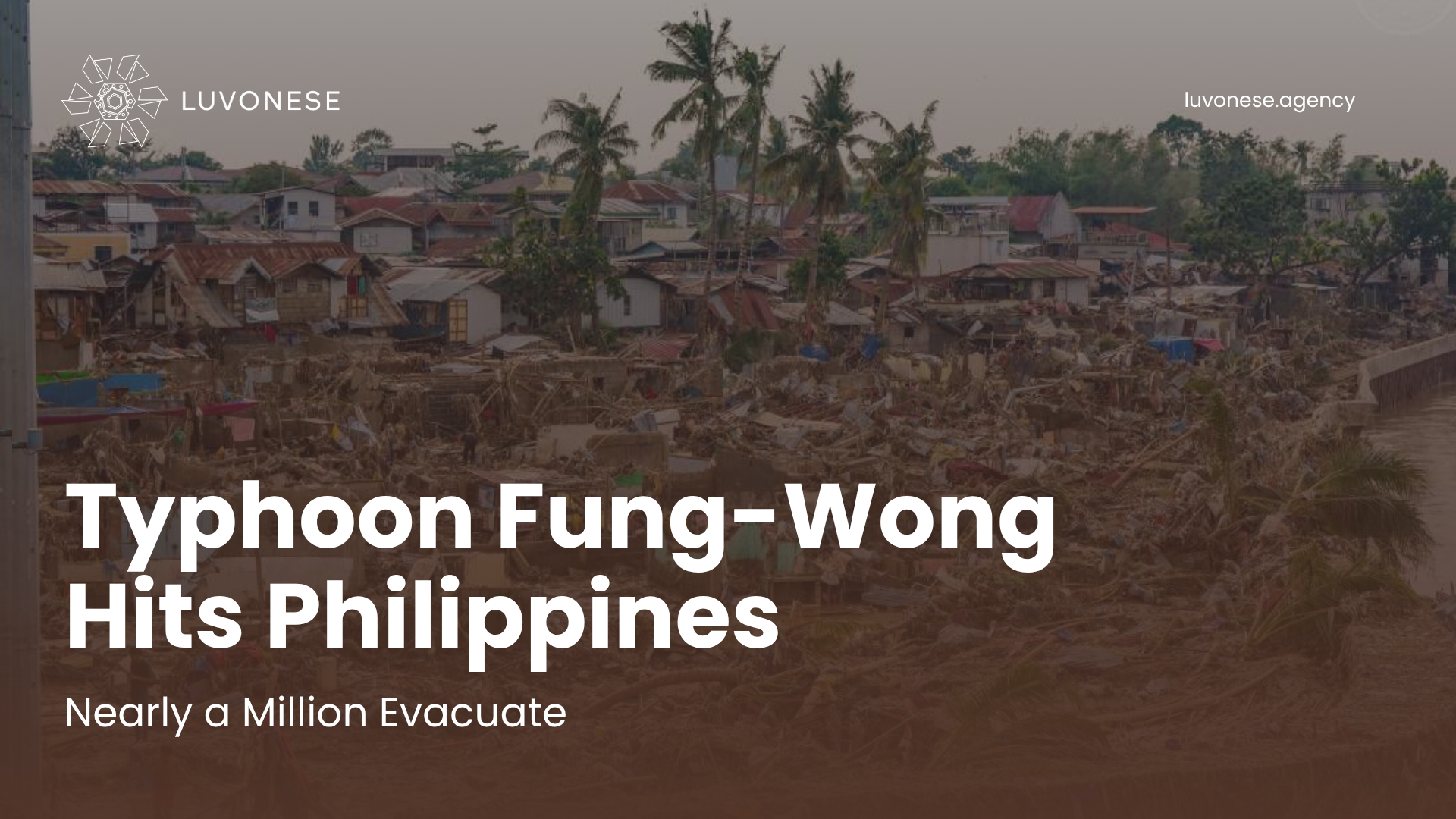







As 2025 draws to a close, the island of Sumatra faces one of the worst natural disasters in its recent history. Torrential rains — fueled by a rare tropical-storm system — triggered massive floods and landslides across multiple provinces. According to the latest reports from the national disaster agency, the sumatra floods 2025 death toll has risen to 442 confirmed fatalities, with 402 people still missing and many more injured. Al Jazeera
Entire villages were submerged, roads collapsed, and communication networks were cut. Infrastructure damage is widespread: homes, bridges, mosques, and community centers were destroyed or severely damaged, leaving tens of thousands displaced and homeless. AP News
Which Regions Were the Hardest Hit
The floods and landslides impacted mainly three provinces: Aceh, North Sumatra, and West Sumatra. Antara News Jawa Timur Among the most affected areas: mountain and coastal districts where steep terrain and poor drainage worsened the impact of flash floods and mudslides. Wikipedia
In North Sumatra alone, many sub-regions reported dozens to hundreds of casualties, as floodwaters and landslides swept through towns and villages with little warning. kontan.co.id
How It Happened: Heavy Rain + Cyclone + Environmental Strain
Meteorologists attribute the disaster to a rare convergence of climatic and environmental factors. The weather system — including the tropical disturbance Cyclone Senyar crossing the Strait of Malacca — brought days of relentless rainfall to Sumatra. Wikipedia
This was exacerbated by underlying environmental issues: deforestation, soil degradation, and water-management problems. Slopes that once held vegetation now erode easily; riverbanks overflow quickly; even small rainfall surges can trigger flash floods. Analysts warn that such hydrometeorological disasters may become more frequent if deforestation and climate change trends continue. pamitra.co.id
The Human Cost: Lives Lost, Homes Lost, Futures Uncertain
The official numbers — 442 dead, 402 missing — only begin to tell the story. Many survivors remain traumatized, having lost family members, homes, and all personal belongings. Reports describe whole communities torn apart overnight. AP News
Over 33,000 people were evacuated by emergency responders and volunteers, utilizing ground, river, and air transport where roads were impassable. ANTARA News For many, evacuation meant leaving everything behind — homes, livelihoods, memories.
Relief centers are operating across affected regions, distributing food, clean water, medical supplies, and temporary shelter. International and local NGOs have mobilized to deliver emergency aid, coordinating with government agencies to reach remote, cut-off areas. AP News
Government & Rescue Operations: Massive Response Underway
The national search and rescue agency Basarnas, local disaster management units, military, police, and community volunteers have been deployed in full force. Over 5,000 personnel are involved in evacuation, relief distribution, and search-and-rescue missions across the worst-hit areas. ANTARA News
Many previously isolated regions have been reached only by air or boats due to damaged roads and bridges. Urgent efforts focus not only on rescue but also on delivering basic supplies — food, water, medicine — to those trapped or cut off. Al Jazeera
Authorities are also working to restore connectivity (power, communications) and reopen key infrastructure to facilitate relief and recovery.
What Can Be Learned: The Cost of Ignoring Environmental Risk
This catastrophe shows how intertwined climate, environment, and human settlement are — and how fragile that balance can be when ignored. Experts call this flood not just a “natural disaster,” but a “systemic disaster”: one where climate change, environmental degradation, and poor land-use practices all play a role. pamitra.co.id
They urge urgent reforms: reforestation, stricter regulations on land use, better flood-management infrastructure, early warning systems, and community-based disaster readiness programs.
Globally recognized resources on flood and landslide prevention highlight the importance of combining structural measures (dams, levees, drainage) with environmental stewardship (reforestation, soil conservation). kontan.co.id
Voices from the Flood — Survivors Speak Out
One displaced mother, rescued from a landslide-hit village in North Sumatra, described how her house was swept away before dawn — “we barely had time to wake up before water rose above our knees,” she said. Another survivor recalled carrying her elderly parent through muddy waters to the nearest shelter, while her home and all belongings vanished. Interviews like these underscore not just the tragic numbers — but lost lives, shattered hopes, and long-term trauma.
These human stories are essential reminders: behind every statistic is a real family, a real future now disrupted.
What Comes Next: Recovery, Rebuilding, Reform
In the immediate future, relief and rescue operations remain a priority. But even after the waters recede, long-term challenges remain: rebuilding homes, restoring infrastructure, providing psychological support to survivors, and rethinking land-use policies to prevent future disasters.
Some suggestions from environmental experts and disaster-management groups:
-
Replant vegetation on vulnerable slopes to reduce runoff and landslide risk.
-
Create and enforce zoning laws preventing housing in high-risk flood or landslide zones.
-
Develop early-warning and evacuation systems for flood-prone areas.
-
Improve drainage systems, river embankments, and natural water-absorption zones.
These steps will require coordination among government, local communities, scientists, and NGOs — but many agree the disaster’s severity underlines their urgent necessity.
Final Thoughts
The 2025 Sumatra floods are more than just numbers — they are a wake-up call. Over 440 lives lost, hundreds missing, and hundreds of thousands displaced: the scale of this disaster demands attention, empathy, and action.
As Indonesia mourns, the world must watch — and learn. Communities, governments, and individuals all share responsibility now to rebuild better, safer, and more sustainably.