






A Tragedy Unfolds in Sumatra
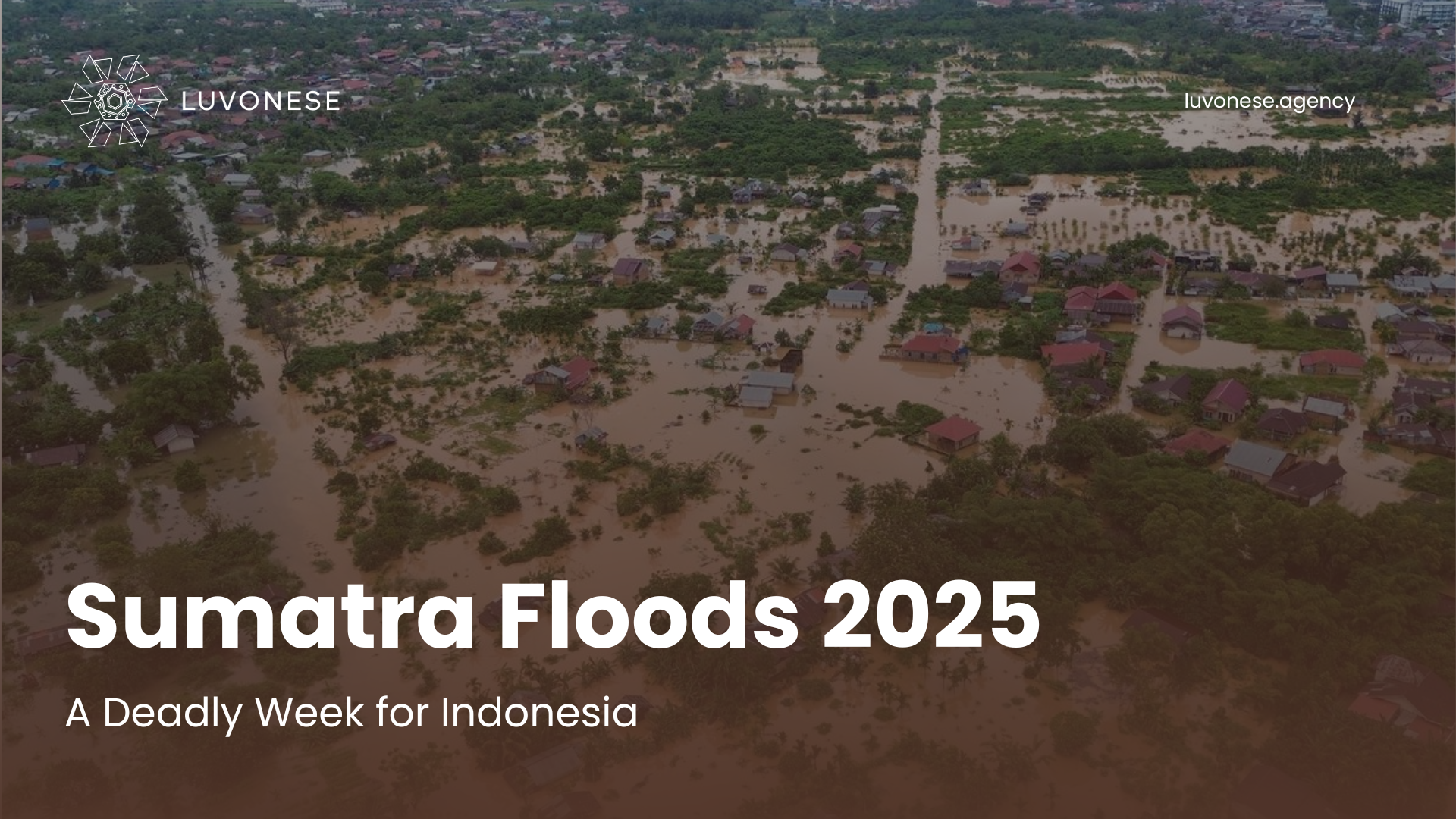
Sumatra has faced one of its deadliest natural disasters in recent years after nonstop heavy rain caused massive floods and landslides across multiple regions. More than 80 people have died, many remain missing, and thousands have lost their homes. Entire neighborhoods were buried or washed away as water levels rose far beyond what local systems could handle.
How the Floods Started
The disaster began when days of extreme rainfall—far above normal levels—overwhelmed rivers and drainage channels. Meteorologists confirmed that warmer sea temperatures intensified the storm systems, causing rain clouds to stall over the same areas. With the ground already saturated, even small riverbanks quickly overflowed, creating flash floods and dangerous mudslides.
The Worst-Hit Areas
Districts such as West Sumatra, South Solok, Agam, and Tanah Datar suffered the harshest damage. Many families had only minutes to evacuate as water tore through villages and landslides blocked access roads. Several communities were completely cut off, leaving residents with limited power, food, and medical support in the first days after the disaster.
Rising Death Toll
Authorities report that at least 84 people have died, and rescue teams fear the number may grow as they reach isolated areas. Search operations have been slowed by collapsed bridges and continuous rain, forcing teams to use helicopters and heavy equipment to navigate the dangerous landscape.
Stories of Survival
Behind the headlines are heartbreaking personal stories—parents carrying children through rushing water, farmers losing their entire harvest, and residents watching their homes vanish in seconds. Many survivors described the moment the disaster struck as sudden and terrifying, with no time to grab belongings before fleeing for higher ground.
Relief Efforts Begin
Emergency shelters have been opened in schools and mosques, where displaced families receive clean water, food, blankets, and medical care. Mobile clinics are treating injuries, while volunteers and local organizations work alongside government teams to distribute aid. International groups have also signaled support, especially for water purification and medical supplies.
Damage to Infrastructure
The floods severely damaged critical infrastructure, including bridges, roads, power lines, and schools. Communications in some areas remain unstable, slowing coordination efforts. Economic losses are expected to be significant, especially in agriculture and small local businesses that form the backbone of the affected communities.
Climate Warning for the Future
Experts say this disaster highlights Indonesia’s increasing vulnerability to climate change. Rising ocean temperatures and shifting weather patterns are fueling more extreme rainfall and landslides, especially in mountainous and deforested regions. Without stronger flood management and environmental planning, similar events are likely to occur more often.
What Comes Next
Recovery efforts will focus on rebuilding homes, restoring access roads, and helping families return to normal life. Authorities emphasize the need for better early-warning systems and climate-resilient infrastructure to prevent future tragedies.